Grazing for vineyards & wine country
Sheep in the rows, goats on the edges. Herbicide-free vegetation management that protects the grapes, feeds the soil, and clears the brushy hillsides that carry wine-country fires.
The two-animal vineyard program
Sheep take the rows. From post-harvest through bud break, sheep graze row middles and under-vine growth heads-down — no reaching into the canopy, no bark stripping. They replace herbicide passes and tractor mowing with animals that fertilize as they work, which is why dormant-season sheep have become a standard sight in California's organic and sustainable vineyards.
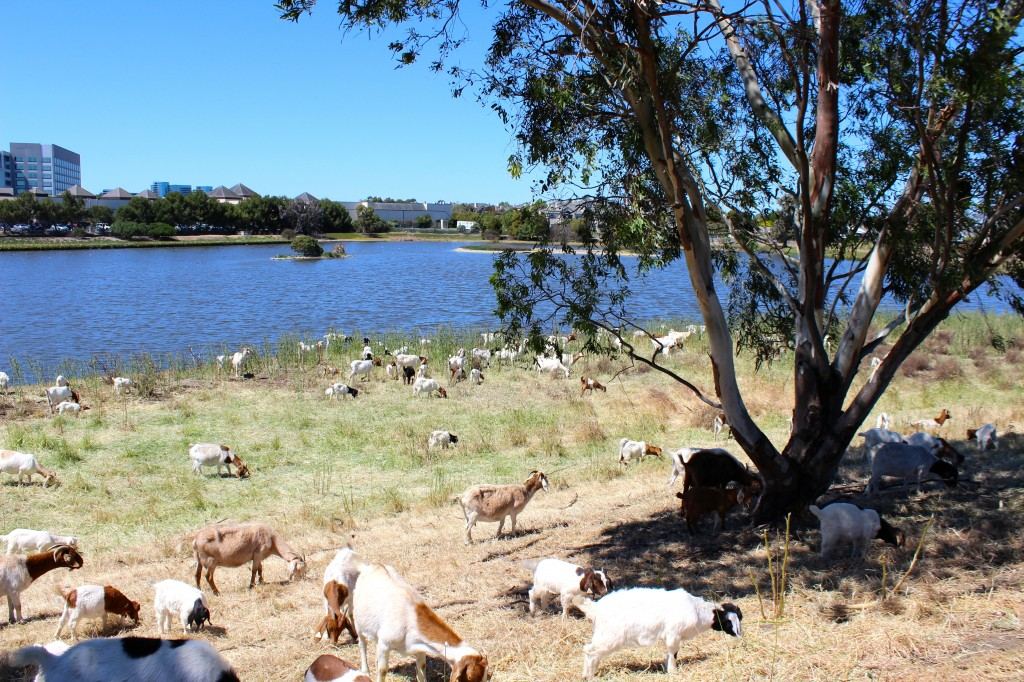
Goats take the edges. The fire threat to a vineyard rarely starts in the vineyard — it comes across the brushy hillsides, oak woodland, and creek corridors around it. That's goat terrain: steep, woody, and impossible to mow. A goat crew on the perimeter each spring builds the grazed buffer that helped several wine-country properties act as firebreaks in recent fire years.
Why wine country grazes
- No herbicide drift near the grapes — or on the label. Grazing fits organic, biodynamic, and sustainable certifications.
- Fire-fuel reduction where it matters: the 2017 Atlas, Tubbs, and Nuns fires and the 2020 Glass Fire all moved through vineyard-adjacent wildland. Grazed edges slow that spread.
- No spark risk: mowing dry grass in June is how fires start; grazing isn't.
- Soil and story: animals return fertility to the ground — and "sheep graze our vines" is marketing your tasting room gets for free.
How a vineyard project runs
Same process as all our work: temporary electric netting sized to your blocks, water, guardian dogs, and herders checking daily. We fence the herd away from anything you're protecting, move cells on a schedule, and time everything around your farming calendar. Full process here — and our guide to choosing sheep vs. goats covers the animal logic in depth.
Common questions
Will the animals damage my vines?
Not if the right animal is on the job at the right time. Sheep graze heads-down and work vineyard rows safely in the dormant season (roughly post-harvest through bud break). Goats are kept to the property edges — hillsides, fence lines, creek corridors — where their appetite for woody brush is an asset instead of a threat.
When during the year do vineyards graze?
Row-middle grazing runs post-harvest through bud break, when there's no fruit or tender growth to protect. Perimeter and hillside fuel-reduction grazing can run into late spring, ahead of fire season. Many estates book both as one seasonal program.
Does grazing actually help with wine-country fire risk?
Vegetation management around vineyards became a wine-country priority after the 2017 and 2020 fires. Grazing reduces the grass and brush that carry fire across properties — and unlike mowing, it works on the steep oak-and-brush edges where wine-country fires actually spread, with no spark risk and no herbicide drift near the grapes.
Is grazing compatible with organic or sustainable certification?
Grazing is a fixture of organic, biodynamic, and sustainable (e.g., SIP, CSWA) farming programs — it replaces herbicide passes and diesel mowing with fertility-returning animals. Confirm specifics with your certifier, but grazing typically strengthens rather than complicates certification.
Rows, edges, or both — let's walk your property
Talk to a real person about your property and get a free estimate over the phone — we serve properties across California and generally require about a 5-acre minimum per project.
Call 1-858-751-GOATSee how it works