
The science and stories behind goat grazing
Peer-reviewed research, real-world case studies, and California fire-safety guidance — every article linked to primary sources so you can verify it yourself.
News
Wind-Driven Fires Destroy More Than 600 Structures in Spokane, Force 5,000 Homes Out
The Old Trails Fire jumped the Spokane River into city neighborhoods on Saturday. “There is not a fire department in the U.S. that can handle a wind-driven event this size,” an assistant chief said.
Read →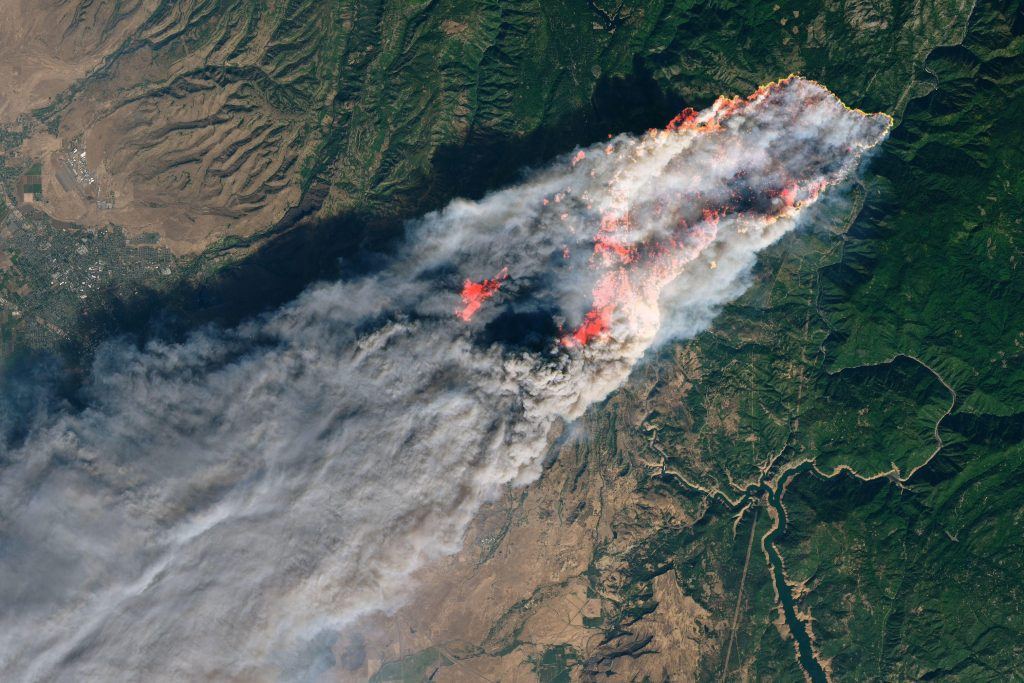
More Than 300,000 Displaced as Wildfires Burn Across France and Spain
Evacuations around Bordeaux rank among the largest in France since World War II, while a regional president in Valencia concedes the fire there is “beyond our capacity to extinguish.”
Read →Wildfire Smoke Cost Michigan at Least $4 Billion, New Analysis Says
An Anderson Economic Group estimate puts July smoke losses at more than $4 billion in Michigan, about $5 billion in New York, and nearly $2 billion in Wisconsin — from fires burning hundreds of miles away.
Read →
Is the Smoke Canada’s Fault? Inside the Cross-Border Fight Over a Record Fire Season
Washington is threatening tariffs over drifting smoke. One expert quoted by The Free Press points at a duller constraint: “there’s not enough water and air transport to put these fires out.”
Read →Research
America’s Solar Farms Now Employ Over 113,000 Sheep
A national census by NREL and the American Solar Grazing Association finds solar grazing has quietly become a mainstream industry — and new research says it improves the soil, too.
Read →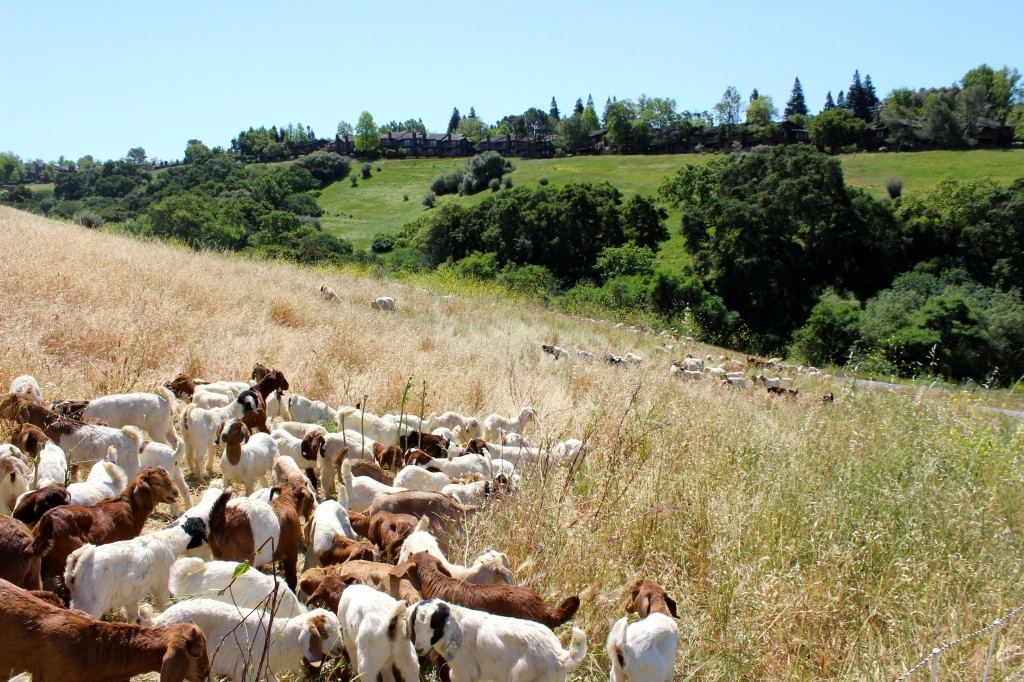
Duke Researchers Find Goats Beat Chemicals at Controlling Invasive Marsh Grass
A long-running Duke University study shows targeted goat grazing can knock back invasive Phragmites far more cheaply than herbicides.
Read →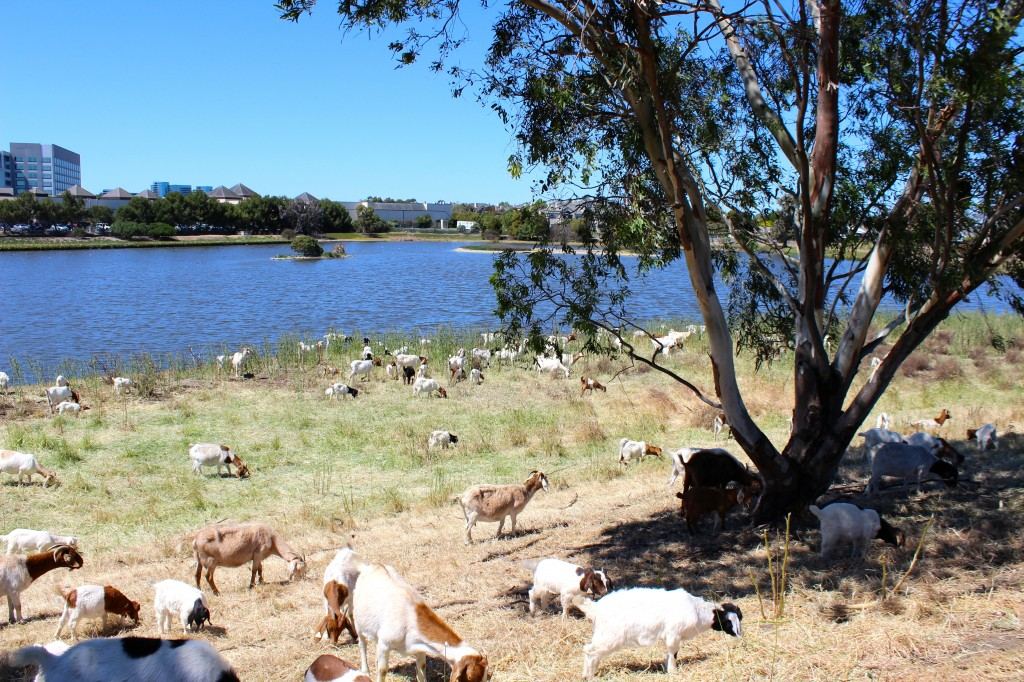
UC ANR: Targeted Grazing Is a Real Tool for Fire Resilience
University of California experts point to prescribed grazing with goats, sheep, and cattle as a practical fuels-management option — with a notable caveat about scale.
Read →A Peer-Reviewed Review: Goat Grazing as a Wildfire-Prevention Tool
A 2014 paper in the journal iForest surveys the science behind using goats to manage fire-prone vegetation.
Read →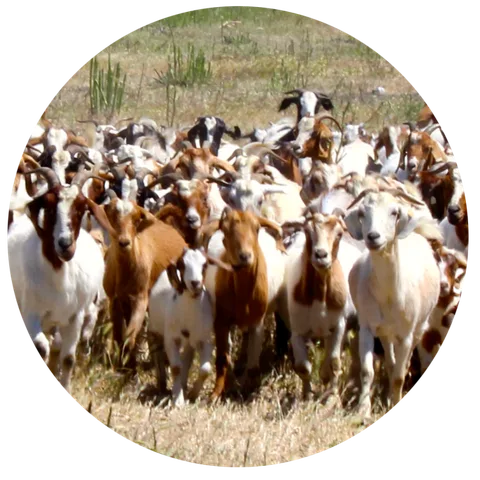
Restoration Ecology Study: Prescribed Goat Grazing vs. Invasive Forest Shrubs
A peer-reviewed field study tests how goats affect non-native shrubs and native plants in a mixed-hardwood forest.
Read →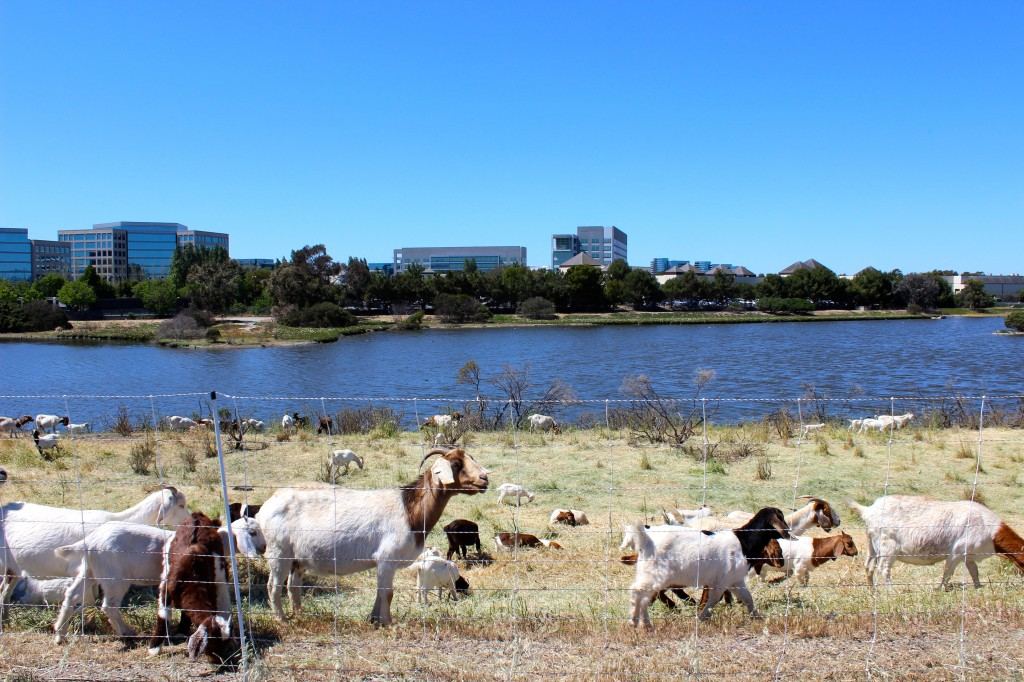
University of Minnesota Studies Goats for Buckthorn Control
Researchers at the Minnesota Invasive Terrestrial Plants and Pests Center are testing goat grazing against one of the Upper Midwest’s worst invasive shrubs.
Read →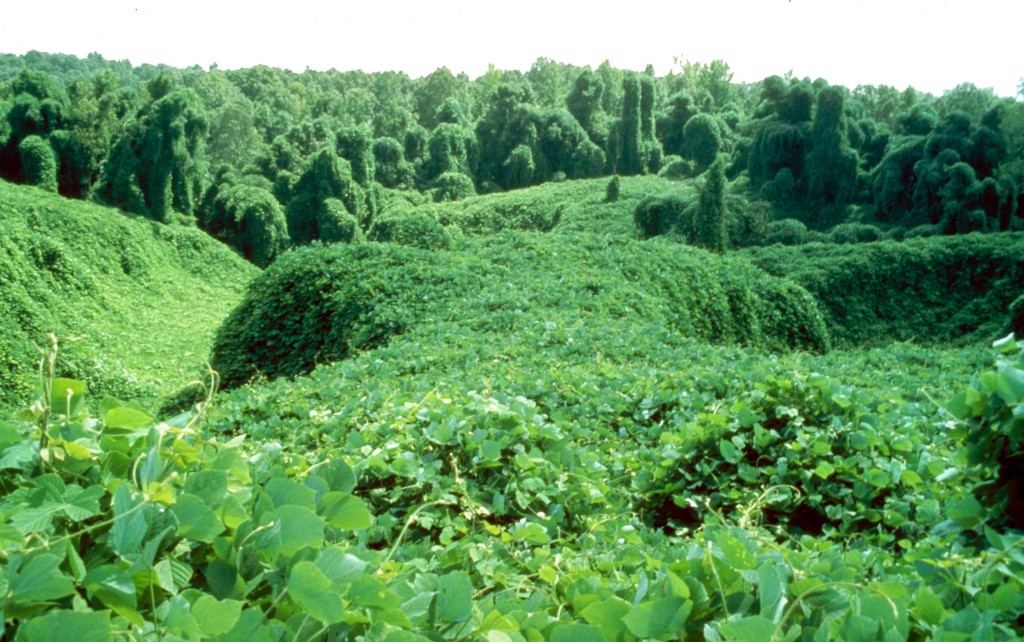
Purdue Extension: Goat Grazing Can Be an Option for Invasive Species Removal
Purdue’s Forestry and Natural Resources experts lay out where goats fit — and where they don’t — in an invasive-plant strategy.
Read →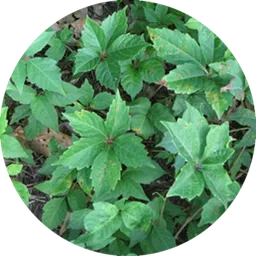
Why Goats Can Eat Poison Oak and Poison Ivy Without Getting Sick
The science behind goats’ remarkable tolerance for tannin-rich, toxic plants that send humans to the doctor.
Read →Prescribed Grazing Is a Recognized Federal Conservation Practice
The USDA’s NRCS defines and standardizes prescribed grazing (Code 528) — evidence that targeted grazing is established land management, not a fad.
Read →Sheep vs. Goats: Why the Right Animal Depends on the Vegetation
Goats browse; sheep graze. Understanding the difference explains why operators often use them together.
Read →Case Studies
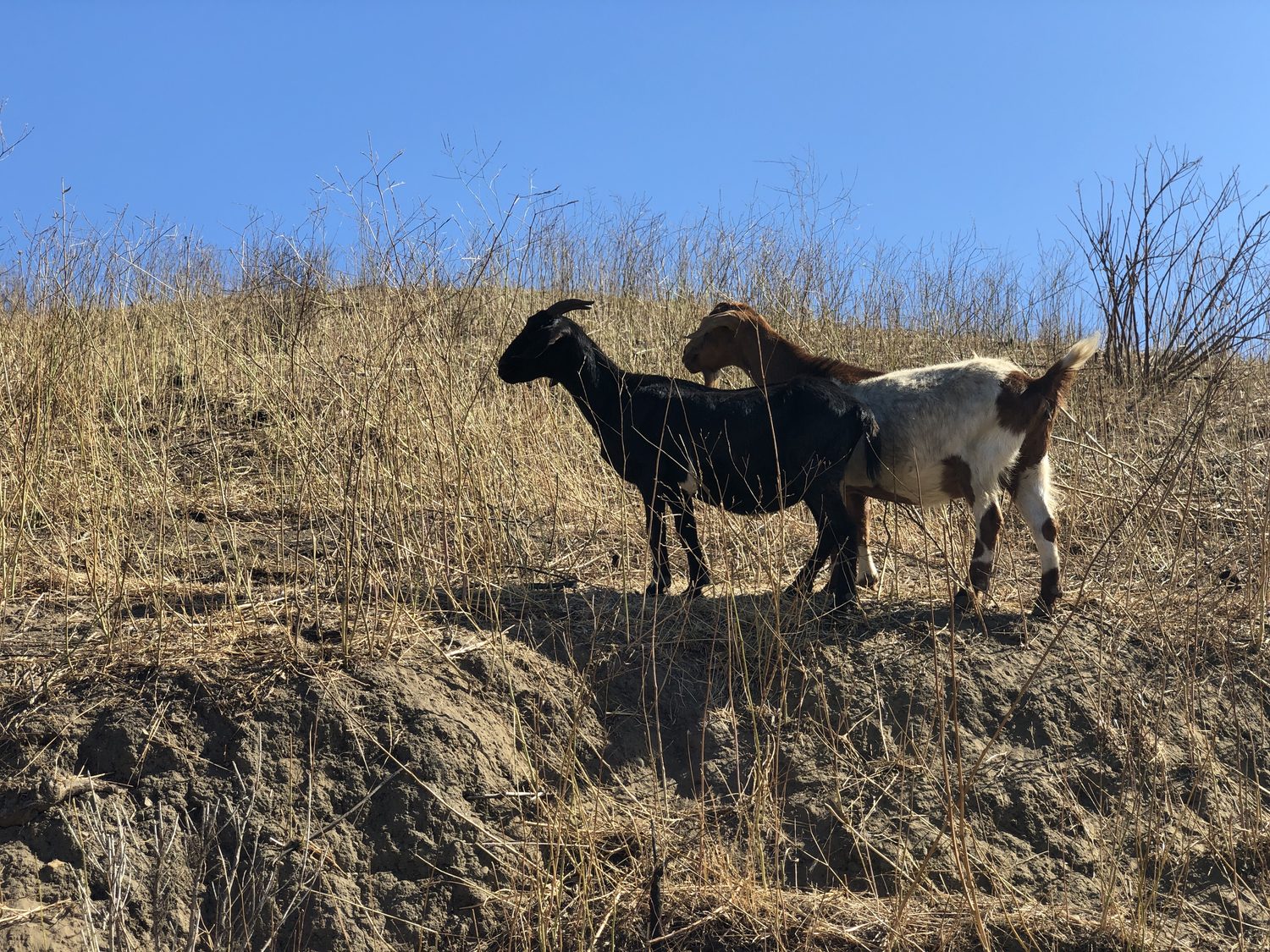
The Goats That Helped Save the Reagan Library
Months before the 2019 Easy Fire surrounded the Reagan Presidential Library, a herd of goats ate a firebreak around it. Firefighters credited that grazed buffer with helping them hold the line.
Read →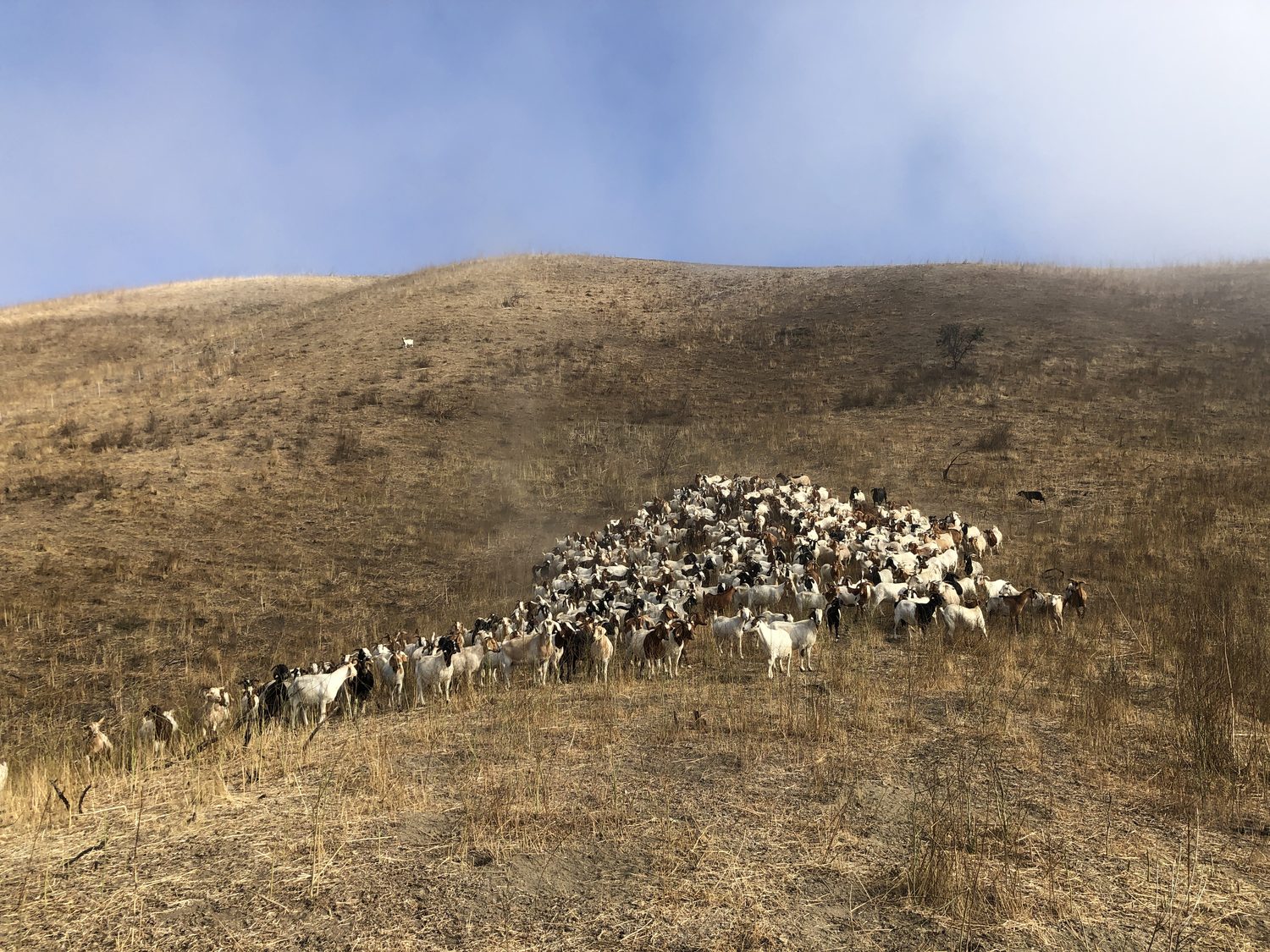
Fire Departments Are Hiring Goats — LA County, Laguna Beach, Glendale, and More
The people whose job is fighting fire increasingly spend prevention budgets on herds. A tour of official fire-agency goat programs across California.
Read →When Google Hired 200 Goats to Mow Its Campus
In 2009, one of the world’s biggest tech companies swapped lawnmowers for a goat herd — and made conservation grazing famous.
Read →From Yahoo to O’Hare Airport: Big Institutions That Graze
Google isn’t alone. Major employers and even a major airport have turned to goats for hard-to-manage green space.
Read →Berkeley Lab Brings In Goats Every Summer to Cut Fire Risk
A U.S. national laboratory uses a grazing herd to protect its hillside campus — and once produced a goat video that went viral.
Read →Cal Poly’s Goats Graze a Firebreak Around Student Housing
A California university runs its own goat program to create defensible space — and teach students hands-on land management.
Read →The Federal Agencies That Put Goats to Work
Grazing for land management isn’t fringe — multiple U.S. government agencies have used goats on public land.
Read →Goats Guard the Graves: How D.C.’s Congressional Cemetery Fights Invasives
A historic Washington landmark turned to a herd of goats — instead of herbicides — to protect its trees and headstones.
Read →
The National Park Service Deploys Goats Against Kudzu — and Fire Fuel
At a historic railroad town inside New River Gorge, the Park Service used goats to fight invasives that were also raising wildfire risk.
Read →How Napa and Sonoma Wine Country Grazes to Fight Fire
After devastating wildfires, California vineyards increasingly use sheep and goats to strip away the fuel that carries flames.
Read →Oak Ridge National Lab Uses Goats as a Herbicide Alternative
A U.S. Department of Energy laboratory put goats to work managing vegetation without chemicals.
Read →A Railroad Hires Goats to Eat Kudzu Along Its Tracks
Norfolk Southern turned to grazing goats to manage the invasive vine creeping onto its rail infrastructure.
Read →Fire Safety
The Bordeaux Fires Are a Fuel-Load Story — and California Has the Same Fuel
Pine forest and scrub, dried by successive heatwaves, burning hot enough to generate its own wind. The mechanism behind France’s fire is the mechanism behind California’s.
Read →Do Grazed Lands Really Burn Less Severely? What the Evidence Suggests
California fire experts have observed that previously grazed rangelands can burn less severely — here’s the nuance behind that claim.
Read →CAL FIRE’s Defensible Space Zones, Explained
California organizes defensible space into three zones — and knowing them helps you see exactly where grazing fits.
Read →Zone 0: The Ember-Resistant Five Feet That Matter Most
Research shows the first five feet around your home are the single most important defensible-space zone — and why goats don’t belong there.
Read →Home Hardening: The Other Half of Wildfire Survival
Clearing fuel is only part of the job — the homes that survive also have an ember-resistant shell.
Read →Where Goats Fit in a Real Defensible-Space Plan
A practical look at using grazing as one coordinated tool alongside zones, home hardening, and local rules.
Read →
Shark Tank
The Day Rent A Goat Brought Live Goats Into the Shark Tank
On Season 5 of ABC’s Shark Tank, Rent A Goat pitched with a live demonstration — goats munching brush right on the set.
Read →
Why Every Shark Passed on Rent A Goat — and Why It Didn’t Matter
All five investors said no. Here’s what each one worried about, and why the company thrived anyway.
Read →Rent A Goat After Shark Tank: Where the Herd Is Now
No deal on the show — but the company grew into one of the country’s best-known goat-grazing operations.
Read →How Shark Tank Helped Make Goat Grazing Mainstream
A prime-time pitch put "rent a goat" into the national vocabulary — deal or no deal.
Read →The $150K Ask: What Rent A Goat’s Shark Tank Numbers Say About Grazing
A $600,000 valuation and a services model built on herds, herders, and travel — the economics behind the pitch.
Read →The Founders Behind the Pitch: Matthew Richmond and Mike Canaday
A young entrepreneur and a veteran goat rancher teamed up to build the business that reached the Shark Tank.
Read →The Live Demo: What Rent A Goat’s Pitch Teaches About Selling a Service
Bringing real goats to eat real brush on national TV was a masterclass in showing, not telling.
Read →From the Wall Street Journal to Shark Tank: A Media Snowball
Rent A Goat’s TV pitch was the peak of a years-long run of national coverage.
Read →No Deal, Still a Win: The Upside of Losing on Shark Tank
Plenty of companies leave the Tank without a check and grow anyway. Rent A Goat is a case in point.
Read →“As Seen on Shark Tank”: What It Means When You Hire Us
For customers choosing a grazing service, a national TV history is a signal of a proven, established operator.
Read →Ready to clear your property naturally?
Talk to a real person about your property and get a free estimate over the phone — we serve properties across California and generally require about a 5-acre minimum per project.
Call 1-858-751-GOATSee how it works