
Is renting goats ethical?
Fair question, and we welcome it. Here's how grazing herds actually live and work — and why a brush-clearing job is about the best gig a goat can get.
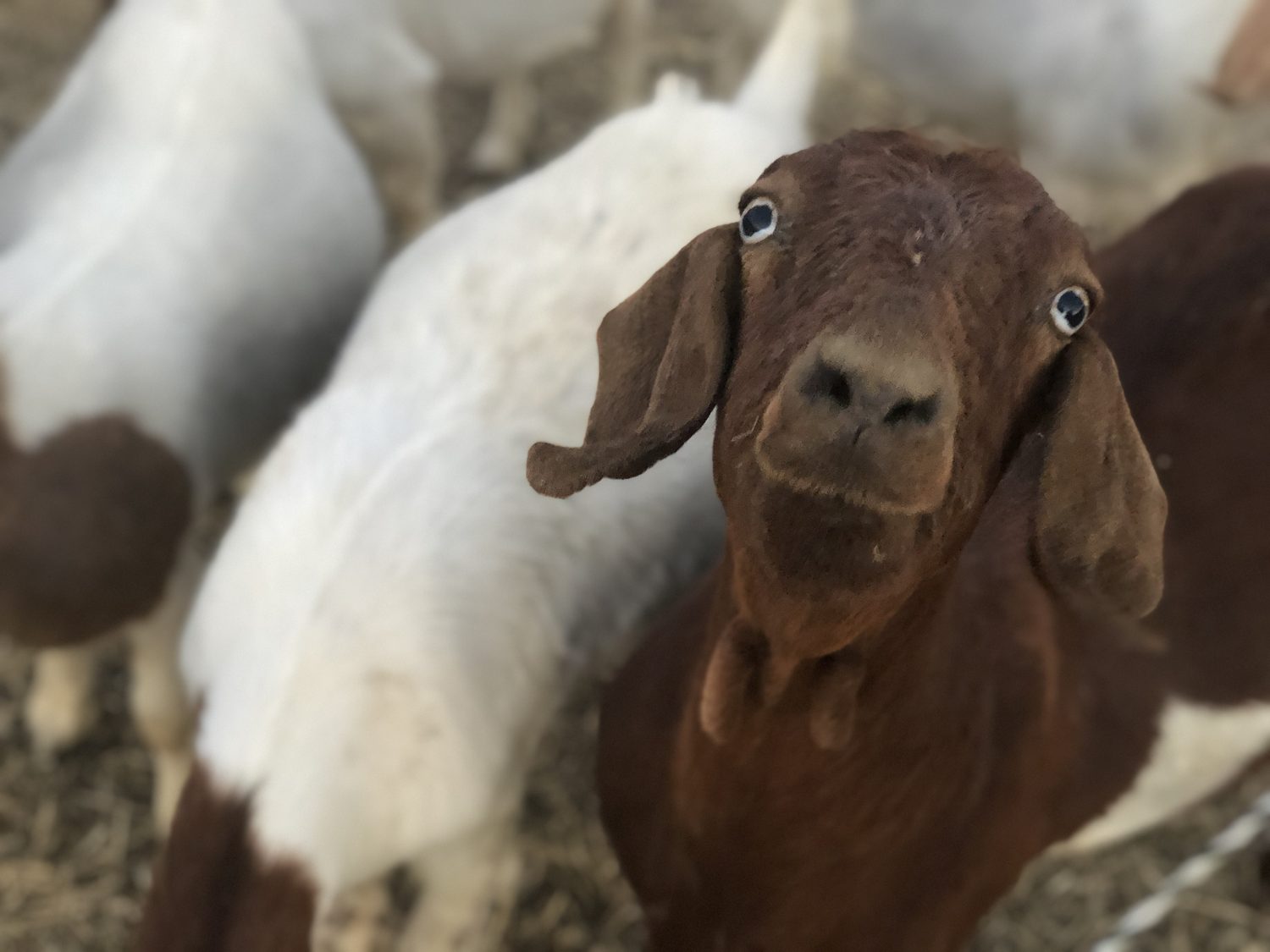
People ask us this, and we're glad they do — an industry that works with animals should expect the question. The short answer: a brush-clearing job is about the best life a working animal can have, because the "work" is the thing goats would choose to do anyway. Here's the longer answer.
The work is the natural behavior
Goats aren't grazers like cattle; they're browsers, like deer. Given a choice, they preferentially eat brush, woody plants, broadleaf weeds, and low branches — reaching, climbing, and ranging as they go. What we sell as "brush clearing" is, from the goat's side, being trucked to an all-you-can-eat buffet of exactly the food it prefers, on terrain it's built for. There's no training, coercion, or performance involved. The goats eat, wander, nap, and eat again. That's the entire job description.
How working herds are cared for
Ethical operation is mostly logistics done right, every day:
- Water and minerals: herds always have fresh water (trucked in when the site has none) and free-choice mineral supplement.
- Diet management: herders size the fenced cell to the vegetation so the herd always has enough forage, and move the fence before an area is over-browsed. Variety matters — goats do best rotating across mixed vegetation.
- Protection: temporary electric netting keeps goats in and predators out, and herds work with livestock guardian dogs bred for the job. In coyote and mountain-lion country, the dogs are non-negotiable.
- Health: herds are checked daily by herders who know their animals, with veterinary care for anything beyond routine. Hooves, parasites, and body condition are managed year-round, not just on jobs.
- Weather: goats handle California summers well, but shade, water access, and workload get adjusted in heat waves.
The poison oak question
The plant that torments human crews doesn't affect goats — urushiol, the oil that causes rashes in people, does them no harm, and they browse poison oak readily. That said, some plants genuinely are toxic to goats (oleander, azalea, and others), and part of a herder's site walk is identifying and fencing off anything dangerous before the herd arrives. It's also why "goats eat everything" is a myth we spend a lot of time correcting.
A fair test for any working-animal operation: would the animal choose the work if it could? For browsing goats on a brushy hillside, the honest answer is yes — it's what they do the moment the trailer opens.
The trade-offs, honestly
Working herds travel, and transport is mild stress; good operators minimize haul times and let herds settle before work starts. Electric fencing delivers a startle, not an injury — that's the point of it. And grazing is still animal agriculture: the herds exist because the work pays for their feed, care, and keep. We think that's a good bargain — these goats live in herds, outdoors, eating preferred forage under protection, for years — but we'd rather state the trade-offs than pretend there are none.
The environmental side of the ledger
Ethics extends past the herd. Every acre grazed is an acre not sprayed with herbicide near a creek, not worked by spark-throwing machinery in July, and not stripped by equipment that compacts soil and disturbs habitat. The goats fertilize as they go and leave root structures intact against erosion. For sensitive land, grazing is frequently the most ethical clearing option available — for the land, not just the animals.
The bottom line
Is renting goats ethical? Run well — with water, protection, veterinary care, and herders who know their animals — yes, comfortably. The goats do what goats evolved to do, in company, outdoors, with backup. If you visit a project (and clients usually do), the herd's opinion of the arrangement is pretty legible.
Sources
Come meet the herd on your hillside
Talk to a real person about your property and get a free estimate over the phone — we serve properties across California and generally require about a 5-acre minimum per project.
Call 1-858-751-GOATSee how it works