Built to eat the tough stuff
Goats evolved in arid regions where survival meant eating plants loaded with noxious compounds. As a result, they detoxify many plant defenses far better than cattle or sheep — including the tannins that make so much brush unpalatable or harmful to other animals.
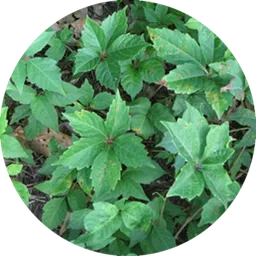
That evolutionary background is why goats happily browse the poison oak, poison ivy, and thorny invasives that crews avoid.
The saliva trick
A key mechanism appears to be in their saliva. Research indicates goats produce tannin-binding salivary proteins that bind up tannins, making tannin-rich forage safe to digest. Combined with a hardy digestive system, this lets them eat plants that would sicken other livestock.
On the urushiol in poison oak and ivy — the oil that gives humans rashes — goats can consume the plants without the allergic reaction people suffer.
One important caution
Tolerance isn’t unlimited. Even goats can run into trouble with very high quantities of certain plants (large amounts of oak leaves, for instance), which is why professional operators manage what and how much the herd eats.
A note for people: goats are unbothered by poison oak, but the urushiol oil can linger on their coats — so it’s wise not to hug a goat fresh off a poison-oak job.