
Goat Grazing and Your Neighbors: Noise, Smell, Flies and a Heads-Up
A herd of goats is a surprise on a quiet street. What neighbors tend to notice, what is worth warning them about, and what a short note can head off.
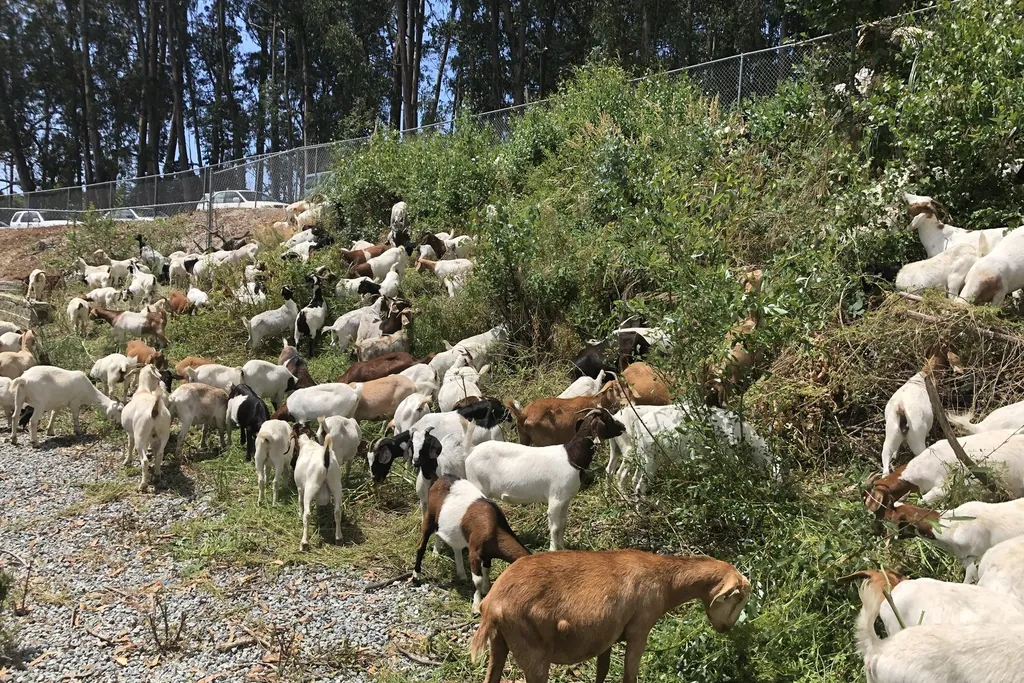
Most neighbors are delighted. Some are curious, a few are nervous, and one will call somebody. The best way to keep it pleasant is to tell people before the herd arrives, and to be honest about what they will notice.
What neighbors actually notice
- The goats themselves. People slow down, stop and take pictures. Expect a few cars to pull over.
- Noise. Goats do bleat, though a herd that is busy eating is fairly quiet. It is more noticeable at feeding time and when animals are moved.
- Guardian dogs. If the herd has livestock guardian dogs, they bark, particularly at night when something moves nearby. That is their job. If your neighbors have a bedroom window facing the grazing area, they should hear about this from you first. See the dogs that guard the herd.
- Manure. Goat droppings are small, dry pellets and they are spread across the area, not piled up. A grazed area has a mild farm smell for a few days and then it is gone.
- The fence. Temporary electric netting appears and disappears. It is low and not very visible, which is why signs matter.
What is worth telling them
A short note or a conversation over the fence is enough. Cover the following:
- What is happening and when it starts and ends.
- Who to contact if there is a problem, with a phone number.
- The dogs, if there are dogs. Tell them they bark and that they should not be approached.
- The fence is electric. Keep children and dogs away from it.
- Please do not feed the goats. See kids, dogs and visitors.
Flies and pests
Goats on grass for a few days do not typically cause a fly problem. Droppings dry quickly in warm weather, and the herd moves on. We do not have a study to cite on this, but it matches what herders report. If a neighbor has a particular concern, such as an allergy or a compost pile near the boundary, they should hear about it ahead of time.
For HOAs and managed properties
If a board or manager is hiring the herd, send a notice to residents a week ahead. Put a sign at each access point. For public sites, a sign should explain what the animals are doing and why, which cuts down the calls. See how cities run a grazing program.
When a neighbor objects
Take it seriously and listen. Often the concern is something specific, like the dogs at night or a gate left open, and it can be fixed. In a few places, local rules limit livestock in residential areas, which is why we check the ordinance before taking a job. One Oregon city recently moved to legalize rental goats in 21-day stretches because the old rules did not fit. See that story.
Sources
Ready to talk about your property?
Talk to a real person about your property and get a free estimate over the phone — we serve properties across California and generally require about a 10-acre minimum per project.
Call 1-858-751-GOATRequest a Free Estimate