The paperwork comes before the goats
A municipal or agency grazing program almost always starts with a procurement process — a direct-hire contract for smaller cities, or a formal RFP for larger agencies with purchasing thresholds — that specifies scope of work, insurance requirements (typically general liability coverage in the millions of dollars, naming the agency as additionally insured), qualifications, and documentation standards the contractor must meet throughout the project.
Once a contractor is selected, most agencies require a site-specific safety and traffic plan before animals arrive, especially on land adjacent to trails, roads, or residential areas — covering fencing placement, guardian-dog signage, and how the public will be kept clear of the enclosure during active grazing.
Why signage and public communication matter so much
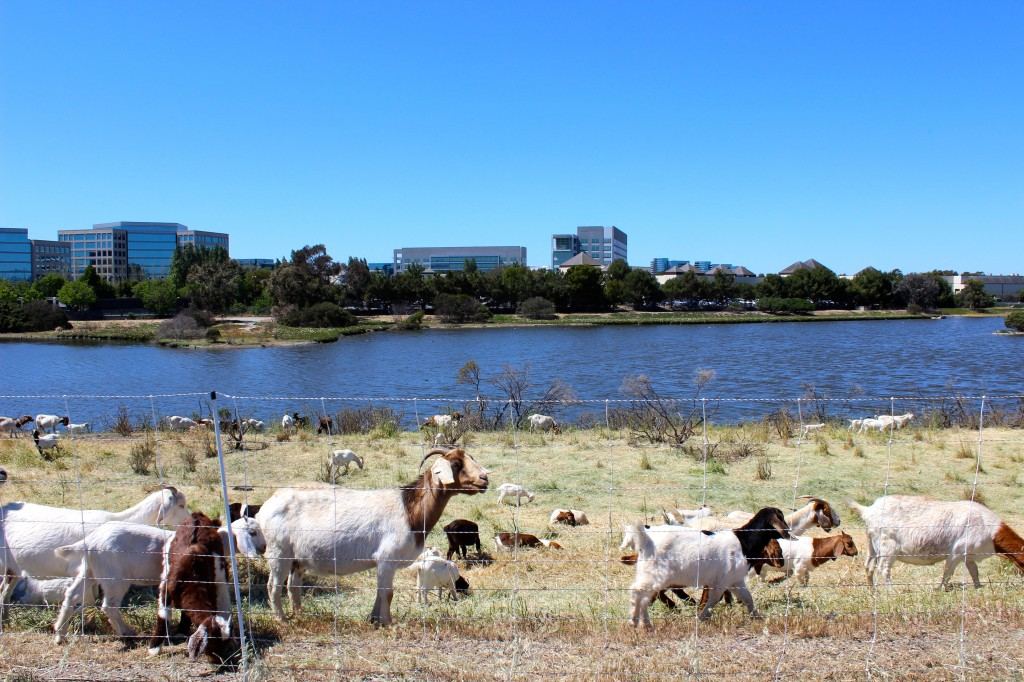
Grazing on public land, unlike a private backyard, means the herd will be seen — and often approached — by hikers, dog walkers, and curious kids. Clear signage explaining what's happening, why the fence is there, and that a guardian dog living with the herd is working (not a pet to approach) heads off most of the friction points agencies actually deal with day to day.
Many cities lean into the public interest rather than fighting it: press releases, social media posts, and even scheduled "meet the herd" times turn a vegetation-management contract into a community event, which — beyond being good will — tends to reduce the well-meaning but disruptive habit of visitors trying to feed or pet a working herd.