
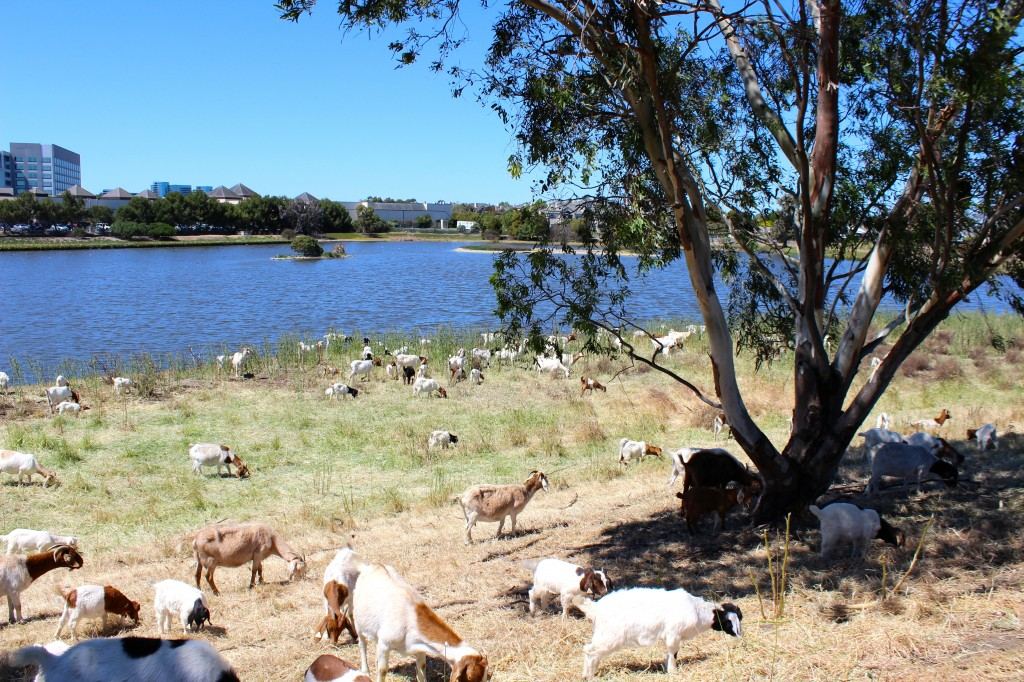
What "targeted grazing" actually means
The University of California Agriculture and Natural Resources (UC ANR) defines targeted grazing as applying livestock at a specific season, duration, and intensity to accomplish a defined vegetation goal. It is a deliberate management practice, not simply turning animals loose.
UC ANR’s forest stewardship educators have run field demonstrations showing what goat herds can accomplish on real landowner properties, and the university’s Fire Network highlights grazing as a fuels-management option alongside mechanical and hand treatments.
The fire-resilience case
According to UC ANR, well-managed grazing can help reduce the risk of catastrophic wildfire while maintaining habitat and the open character of rangelands. Notably, in several recent fires, previously grazed rangelands burned less severely than comparable ungrazed areas.
Their extension materials also note that livestock grazing can reduce fine fuels more effectively than many mechanical methods in the right settings.
An honest caveat about scale
UC ANR is candid that niche fuels reduction with goats has, so far, typically been applied to smaller areas — often under about ten acres in urban parks and green spaces. Grazing is a powerful tool, but it works best as part of a broader defensible-space and land-management plan rather than a single silver bullet.
That framing matches how professional operators talk about the work: grazing is an excellent first pass and recurring maintenance tool, used in combination with structure hardening and other treatments.