
What each tool is actually good at
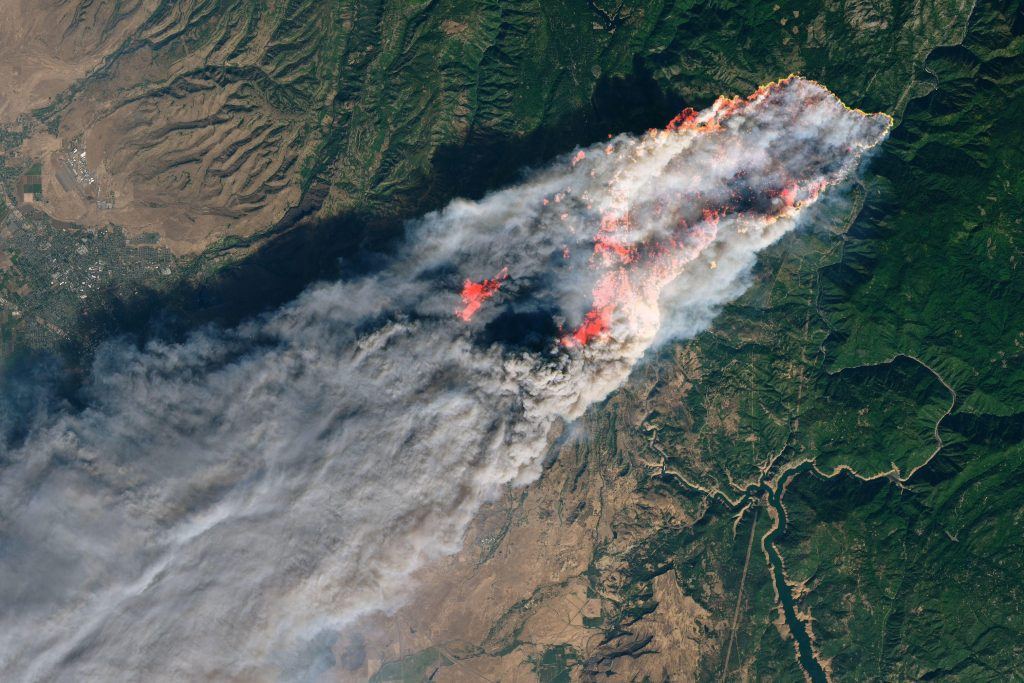
Prescribed fire, conducted by trained crews under specific weather and moisture conditions, can treat large landscapes at once and recycles nutrients back into the soil in ways grazing doesn't. But it requires a narrow burn window, air-quality permitting, calm weather, and — critically — enough distance from structures and enough existing fuel reduction nearby that the burn stays controlled.
Grazing works on a different set of constraints: it can operate closer to homes and infrastructure than fire ever safely could, works through most of the year rather than a narrow burn window, and produces zero smoke or spark risk. What it can't do is treat landscape-scale acreage as fast as a well-run prescribed burn, or deliver the same soil-nutrient cycling.
Why agencies increasingly sequence them
A common pattern in California and elsewhere: grazing reduces fine fuels and ladder fuels around the perimeter of a planned burn unit first, creating a safer buffer and reducing the fire's intensity and spread risk at the edges; the interior can then be treated with prescribed fire under controlled conditions. In the reverse direction, land recovering from a burn is sometimes grazed afterward to manage the flush of fast-growing annual weeds that often follows a fire before they can re-establish as heavy fuel.
Framing this as "goats versus fire" misses how land managers actually plan: the honest picture is a layered fuel-reduction strategy — home hardening and defensible space closest to structures, grazing and mechanical treatment at the property and community scale, and prescribed fire at the broader landscape scale where conditions allow.