
Do Goats Spread Weed Seeds? What Happens to Seeds in the Gut and in the Manure
A fair worry: if goats eat the weeds, do they also plant them? What research says about how many seeds survive, and what a careful herder does about it.
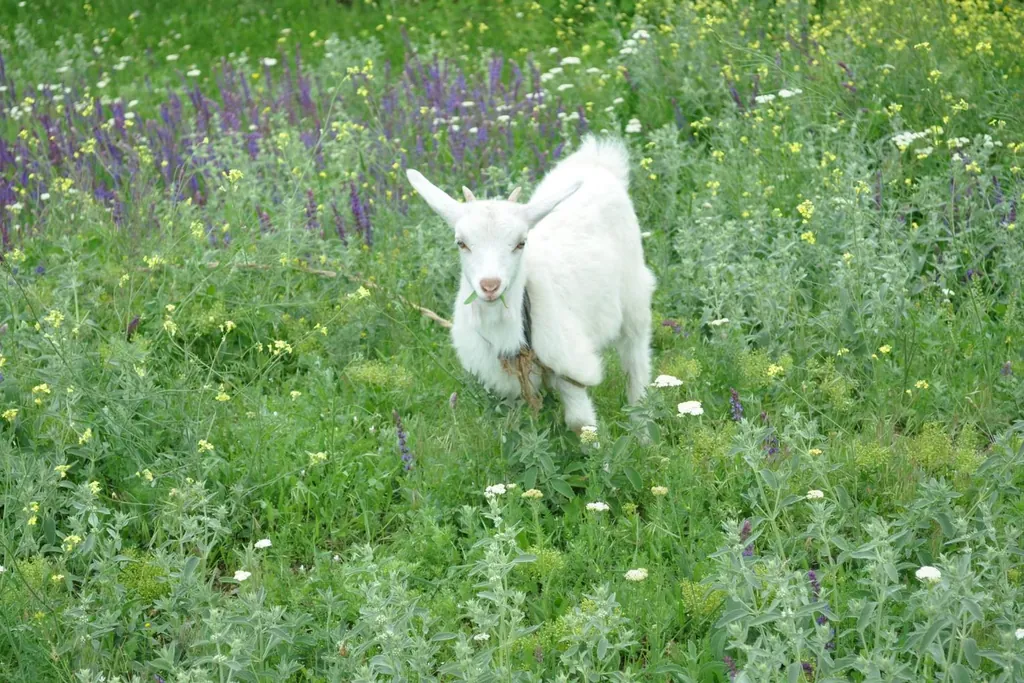
This is a fair question, and one we get from landowners who have just spent years fighting a weed. If the goats eat seed heads and then walk around the property, are they replanting the thing they were hired to remove?
What the research says
Studies of seed passage through livestock give a mixed answer, and the answer depends on the plant.
- In one New Zealand study, goats fed known numbers of weed seeds shed them within about three days, and on average around ninety-two percent of the viable seeds were destroyed in the gut.
- Other work found that some seeds can still be viable in goat dung well after feeding. Results vary a lot by species, and hard-coated seeds survive better.
- In the Scotch broom field trial mentioned in our broom article, around eight percent of seeds were still viable after passing through goats and sheep.
In plain terms: most seeds do not survive, some do, and the survivors are not evenly spread among species. We do not know of a published rule for exactly how many days to hold animals before moving them. Anyone who gives you an exact number is guessing.
What matters more than the gut
For most weeds, the bigger factor is timing. A weed that is eaten before it sets seed cannot produce seed. Grazing in the right season, when plants are green and growing, removes the seed before it forms. Grazing after the seed has dropped does little for the seed bank. The seeds are already in the ground.
How a careful herder reduces the risk
- Graze before seed set when possible. This is the best protection.
- Work the cleanest areas first and the weediest areas last. If the herd ends in the worst infestation, the seeds that are shed in the next day or two land there, not in a clean field.
- Be careful about where the herd goes next. If the herd moves directly from a seedy area to a clean one, there may be seed in the manure. Ask your provider about the route.
- Do not spread manure from the herd as fertilizer without composting it first. Extension guidance says composting reduces the number of viable weed seeds.
Repeat visits matter more
Even with careful grazing, weed seed banks in the soil last a long time. The cure for that is repeat visits over several years. See why one grazing pass never finishes the job.
If you are concerned about a specific invasive plant, tell us. For a few species, it is a real issue and we will plan around it. For most common weeds, grazing before seed set does more good than harm.
Sources
Ready to talk about your property?
Talk to a real person about your property and get a free estimate over the phone — we serve properties across California and generally require about a 10-acre minimum per project.
Call 1-858-751-GOATRequest a Free Estimate