After the Goats Leave: What the Land Looks Like and How to Keep It That Way
The herd leaves and the ground looks bare. What that means, what happens over the next few weeks and what you should do before the weeds come back.
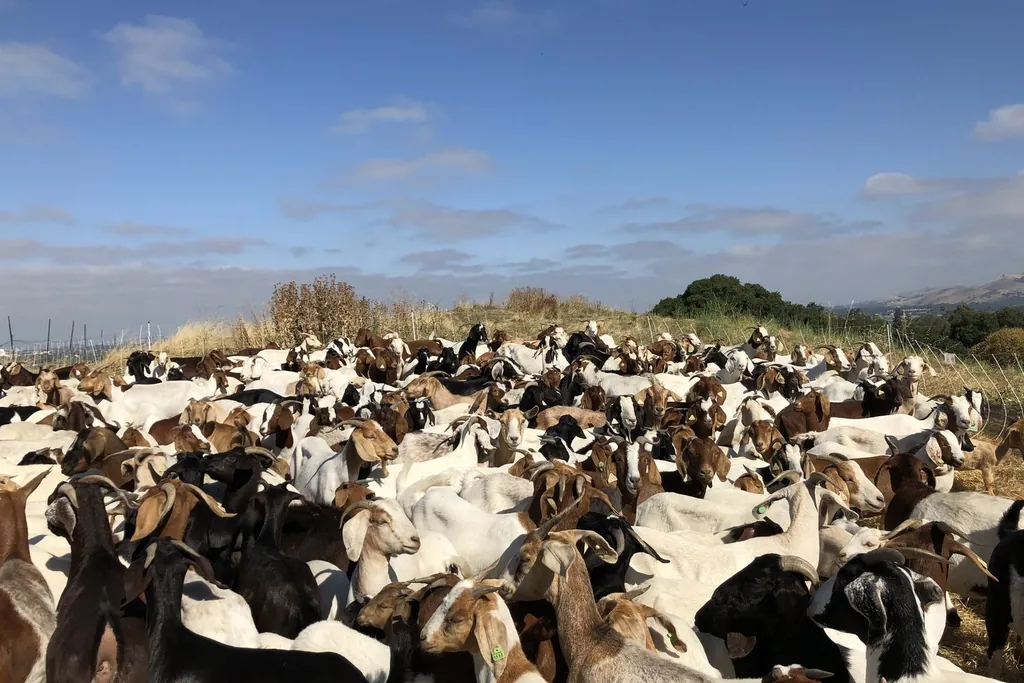
The last day of a grazing job can be a shock. Where there was a wall of brush there is now open, low ground. Branches are stripped at goat height, and the soil may look bare in places. Here is what is normal and what to do next.
What you will see
- Stripped brush. Leaves and thin stems eaten as high as the herd could reach. Thick stems and woody trunks usually remain.
- Short stubble. Grasses and weeds grazed low.
- Droppings. Small pellets scattered over the area. They break down and return nutrients to the soil.
- Some bare patches, particularly where the herd was densest or worked a muddy spot.
- Plants the goats skipped. There will be some. Every herd leaves things it does not like.
What to do in the first weeks
- Walk it with the herder or the provider if you can, and compare the result to what the quote said.
- Remove the skipped plants and woody stems. A crew with loppers and a chainsaw can clean up in a day what the herd left.
- Watch for regrowth. New shoots appear quickly after grazing, especially in spring.
- Check slopes after rain. Bare soil is vulnerable. If you see rills forming, tell your provider. See grazing and erosion.
The second pass
Most sites need one. Seeds and roots start regrowth, and the first pass weakens plants without ending them. A follow-up grazing, often a few weeks to a few months later depending on the plants, catches the regrowth when it is young and tender. See why one pass never finishes the job.
Keeping it clear
- Make it an annual job. A small yearly pass is much cheaper than rescuing the property every five years.
- Overseed or plant native cover where it makes sense. Bare ground is a welcome mat for weeds. For the restoration angle, see grazing and native plant restoration.
- Keep mowing the edges. The mowed strip near buildings is still your job.
- Pull seedlings of the worst weeds when they are small.
What not to expect
The land will not look like a lawn, and it will not be fireproof. It will have less fuel, more open ground and a better start for whatever you do next. That is the goal. See ten goat grazing myths.
Sources
Ready to talk about your property?
Talk to a real person about your property and get a free estimate over the phone — we serve properties across California and generally require about a 10-acre minimum per project.
Call 1-858-751-GOATRequest a Free Estimate