
Rent A Goat on Shark Tank: the pitch, the sharks, and what came next
The founders walked into the Tank asking for $150,000. The Sharks said no. Here’s what happened on the show — and how the business grew anyway.
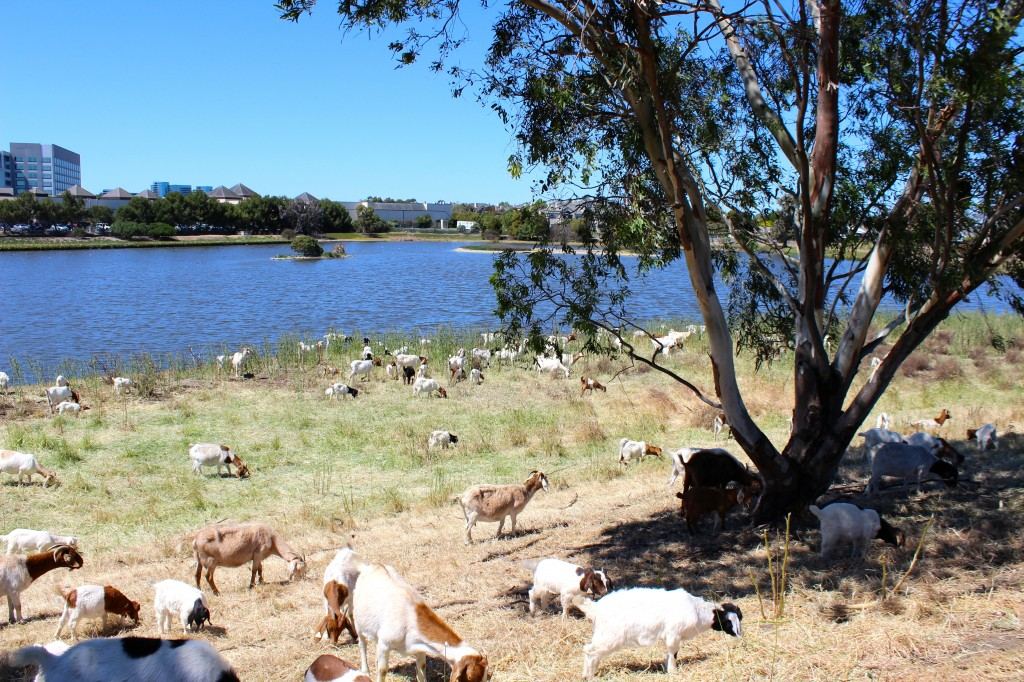
Long before goat grazing became a mainstream land-management tool, one company took the idea to prime-time television. Rent A Goat pitched the Sharks on a simple premise: hungry goats are natural brush-clearers, so why not connect overgrown land with the herds that love to eat it? The Sharks weren't sold — but the story didn't end there.
Where it started
Rent A Goat was founded in 2010 by Matthew Richmond, then 22 and based in Chapel Hill, North Carolina. He teamed up with Mike Canaday, a veteran goat rancher who brought the animals and the know-how. Their idea sat inside a broader practice known as conservation grazing (or targeted grazing): instead of mowers and herbicides, you let goats do what they do best on brushy, overgrown terrain.
The pitch
The company appeared on ABC's Shark Tank in Season 5 (Episode 5). The founders walked in asking for $150,000 in exchange for 25% of the business — a valuation that put a real number on a very unusual service company.
Why the Sharks passed
In the end, all five Sharks declined to invest. According to reporting on the episode, their hesitation came down to a few recurring concerns: doubts about how easily the model could scale, the lack of exclusivity or a defensible moat (nothing stopped others from doing the same thing), and the fact that the business leaned heavily on subcontractors and ranchers like Canaday who actually owned and managed the herds. In other words, the value was in relationships and logistics more than in something the company alone controlled.
What came next
Despite walking away without a deal, the company kept growing. By 2023, reporting on the business put it at more than 3,500 goats and roughly $2 million in annual revenue, serving large companies, federal lands, and fire-break and fuel-reduction projects across California. The model the Sharks worried might not scale had, in fact, scaled.
That growth tracks with a bigger shift. In the years since the episode aired, goat grazing has gone from novelty to accepted practice. Fire departments, counties, and utilities now use targeted grazing as a real wildfire-prevention and land-management tool, especially on the steep, brushy ground where machines struggle. You can read more about how we work, and the ground we cover, on our about page — or get in touch through our contact page if you have overgrown land of your own.
The takeaway
The Shark Tank appearance is a fun chapter in the story, but it's not the whole story. The idea that seemed too niche to fund on television turned out to be early to a trend that mainstreamed a decade later. For the people who care about clearing brush without chemicals or heavy machinery, the goats — not the deal — were always the point.
Sources
- Wikipedia — Rent A Goat
- Shark Tank Blog — Rent A Goat
- House Digest — Whatever happened to Rent A Goat after Shark Tank
Have brush that needs clearing?
Talk to a real person about your property and get a free estimate over the phone — we serve properties across California and generally require about a 5-acre minimum per project.
Call 1-858-751-GOATSee how it works